How Notarization Protects Your Legal Documents


Understanding Notarization
In the realm of legal documents, notarization serves as a crucial safeguard. It involves a certified notary public who verifies the authenticity of signatures and ensures that all parties involved in a transaction are acting willingly and with full awareness. This process helps prevent fraud and protects the integrity of legal documents.
Notarization is more than just a formality; it is a protective measure that ensures the document in question is legally binding and recognized by courts. Whether you're dealing with contracts, property deeds, or affidavits, notarization adds a layer of security that is indispensable.
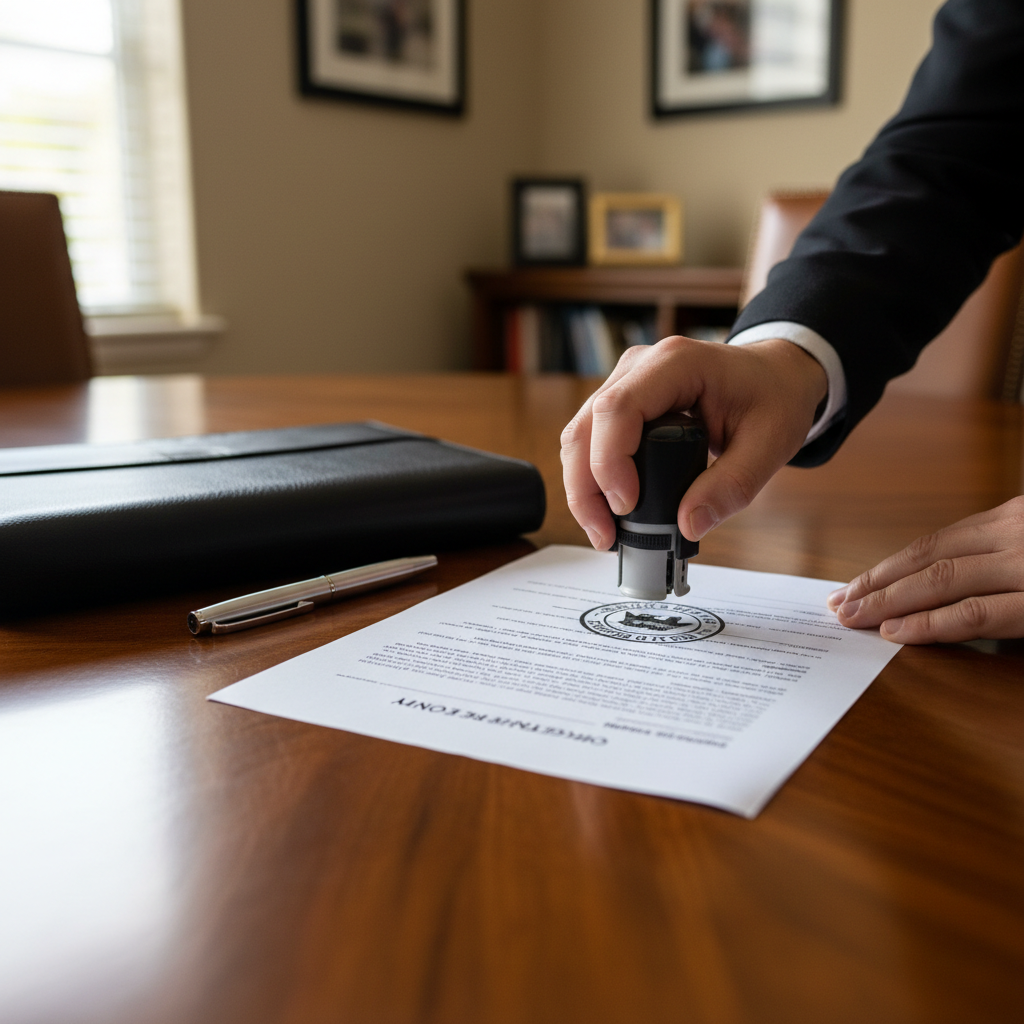
The Role of a Notary Public
A notary public is an impartial witness appointed by the state to oversee the signing of important documents. Their primary role is to deter fraud by verifying the identity of signatories, ensuring they understand the document, and confirming their willingness to sign without coercion.
Notaries also maintain detailed records of the notarization process, providing a trail that can be invaluable if a document's validity is ever challenged. This record-keeping is a critical component of the notarial process, offering peace of mind to all parties involved.
Common Documents That Require Notarization
Several types of documents typically require notarization to be considered valid. These include:
- Real estate deeds and mortgages
- Wills and trusts
- Powers of attorney
- Business contracts

How Notarization Protects Against Fraud
Fraud prevention is one of the primary reasons notarization is so critical. By requiring signatories to present valid identification, notaries help ensure that everyone involved in the transaction is who they claim to be. This verification process helps prevent identity theft and fraudulent claims.
Furthermore, the notary's impartiality ensures that all parties are signing the document voluntarily, without any undue pressure. This protection is especially important in high-stakes transactions, such as property sales or significant financial agreements.
Legal Recognition and Enforceability
Notarized documents are often more readily accepted in legal proceedings. A notarized document is presumed to be genuine and holds greater weight in court, making it easier to enforce the terms agreed upon by the parties involved.
In some jurisdictions, certain documents must be notarized to be legally enforceable. This requirement underscores the importance of notarization in maintaining the legal integrity of documents.

The Peace of Mind Notarization Offers
For individuals and businesses alike, having a document notarized provides peace of mind. Knowing that a transaction has been thoroughly vetted by an impartial third party can alleviate concerns about authenticity and reduce the likelihood of future disputes.
In summary, notarization is an essential component of the legal process that protects all parties involved. By ensuring authenticity and preventing fraud, it upholds the integrity of legal documents, allowing them to stand up under scrutiny and in court.