Common Notary Myths Debunked


Understanding the Role of a Notary
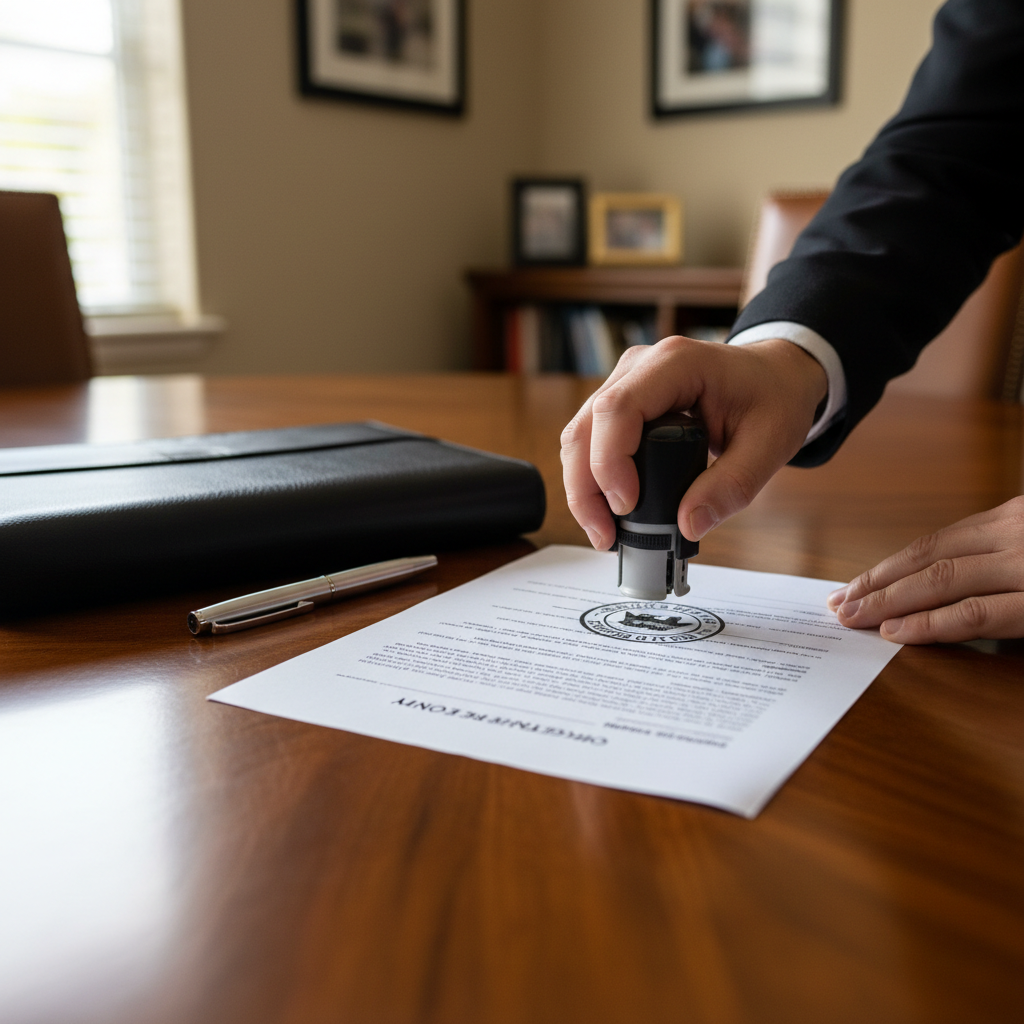
Notaries play a crucial role in the legal and business world, yet their responsibilities and limitations are often misunderstood. A notary's primary function is to serve as an impartial witness to the signing of important documents, ensuring that the signers are who they claim to be and are entering into agreements willingly. By performing this duty, notaries help prevent fraud and ensure the integrity of transactions.
Myth 1: Notaries Can Provide Legal Advice
One of the most common misconceptions is that notaries can offer legal advice. In reality, notaries are not authorized to give legal counsel unless they are also licensed attorneys. Their role is strictly to verify identities and witness signatures. Seeking legal advice from a notary could lead to misunderstandings and potentially legal issues, so it’s important to consult a qualified attorney for any legal guidance.
Myth 2: Notarization Makes a Document Valid
Another widespread myth is that notarization inherently makes a document legally binding. While a notary's stamp and signature add a layer of authenticity, they do not guarantee the document's legal validity. The content of the document must comply with relevant laws and regulations, and notarization simply assures that the parties involved have signed willingly and with proper identification.

Myth 3: Any Document Can Be Notarized
Not all documents can or should be notarized. Some documents, by their nature, do not require notarization, while others may not be eligible due to specific legal requirements. It's crucial to understand which documents need notarization and which do not. For instance, certain medical directives or informal agreements might not need a notary's seal.
How to Determine Notarization Needs
To determine if a document needs notarization, consider its purpose and any legal requirements. Often, legal documents like property deeds, affidavits, and powers of attorney require notarization, while others may not. Consulting with a legal professional can provide clarity on whether your document needs a notary’s oversight.
Myth 4: Online Notarization Is Not Secure
With the rise of technology, online notarization has become increasingly popular, yet some believe it’s not secure. However, online notarization employs advanced security measures, such as video conferencing, digital signatures, and identity verification, to ensure the process is as secure as traditional notarization. In fact, it offers convenience without compromising safety.
The Importance of Choosing a Qualified Notary
When selecting a notary, it’s essential to choose someone who is qualified and trustworthy. A reputable notary will follow all legal protocols and ensure that the notarization process is executed correctly. Always verify a notary’s credentials and experience, especially for complex or high-stakes documents.
By debunking these common myths, individuals and businesses can better navigate the notarization process and ensure their documents are handled with the utmost integrity and professionalism. Understanding the true role and limitations of notaries helps in making informed decisions and maintaining legal compliance.