Common Notary Myths Debunked: What You Really Need to Know


Understanding the Role of a Notary
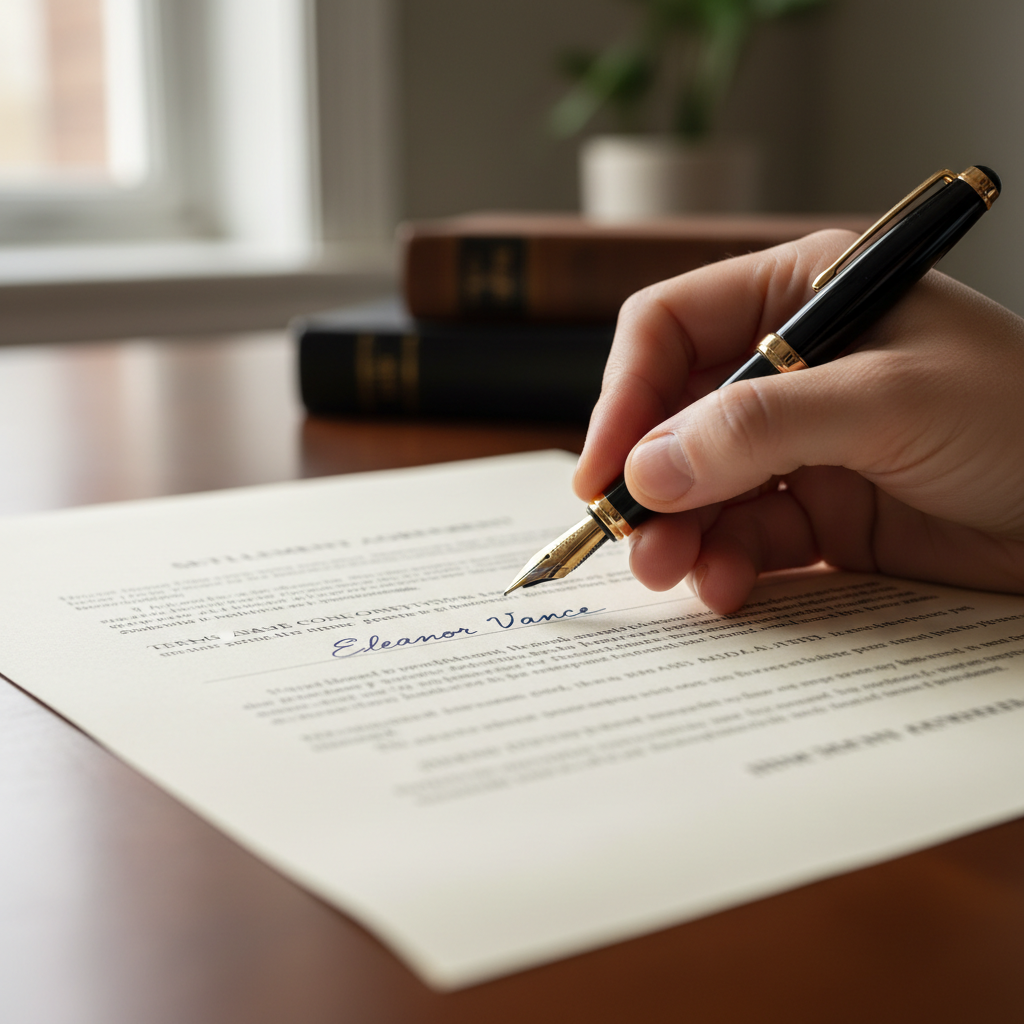
Many people are uncertain about what notaries do and hold several misconceptions about their role. Notaries are public officials who act as impartial witnesses to the signing of important documents. They help prevent fraud by verifying the identity of signers and ensuring that all parties understand the document they are signing.

Myth: Notaries Can Provide Legal Advice
One of the most common myths is that notaries can offer legal advice. In reality, notaries are not allowed to advise on legal matters unless they are also licensed attorneys. Their primary function is to witness signatures and confirm the signer's identity.
Why This Myth Persists
This misconception often arises because notaries are involved in legal document processes. However, their role is strictly limited to witnessing and certifying signatures. If you need legal advice, you should consult a qualified attorney.
Myth: All Notaries Are the Same
Not all notaries operate under the same rules. The requirements and responsibilities of a notary can vary significantly from state to state. Some states require notaries to undergo training and pass an exam, while others have fewer regulations.
Understanding Your Local Notary Rules
It's essential to understand the specific rules and regulations governing notaries in your area. Knowing these can help you ensure that the notary you choose is qualified to handle your documents appropriately.
Myth: Notaries Can Notarize Any Document
Another common misconception is that notaries can notarize any document. Notaries must adhere to strict guidelines about what documents they can and cannot notarize. For example, they cannot notarize documents if the signer is not present or if the document is incomplete.
Documents Notaries Cannot Notarize
There are specific documents that notaries cannot notarize, such as those that require an attorney's signature or those that are outside their jurisdiction. Always verify with your notary what documents they are authorized to notarize.

Myth: Notarization Makes a Document "Legal"
Many people believe that notarizing a document makes it legally binding. While notarization ensures the validity of the signer's identity and willingness to sign, it does not make a document legally enforceable. The legality of a document depends on its content and the law.
The True Purpose of Notarization
The primary purpose of notarization is to deter fraud and ensure that the parties involved are signing willingly and knowingly. It provides an additional layer of authenticity but does not automatically validate the document in a legal sense.
Conclusion: Knowledge Is Power
Understanding the true role of a notary can help you navigate legal processes more effectively. By debunking these common myths, you can approach notarization with the right expectations and ensure your documents are handled correctly.