Common Notary Myths Debunked: What Really Happens During Notarization


Notarization is a crucial process that ensures the authenticity of documents, yet many misconceptions surround it. These myths can lead to confusion and even hesitation in using notary services. Let's debunk some of the most common myths and clarify what really happens during notarization.
Myth 1: Notaries Provide Legal Advice
One prevalent myth is that notaries can offer legal advice. In reality, notaries are not authorized to give legal guidance. Their primary role is to verify the identity of the signatories and ensure that the documents are signed willingly and without duress. If you need legal advice, it's essential to consult with a licensed attorney.
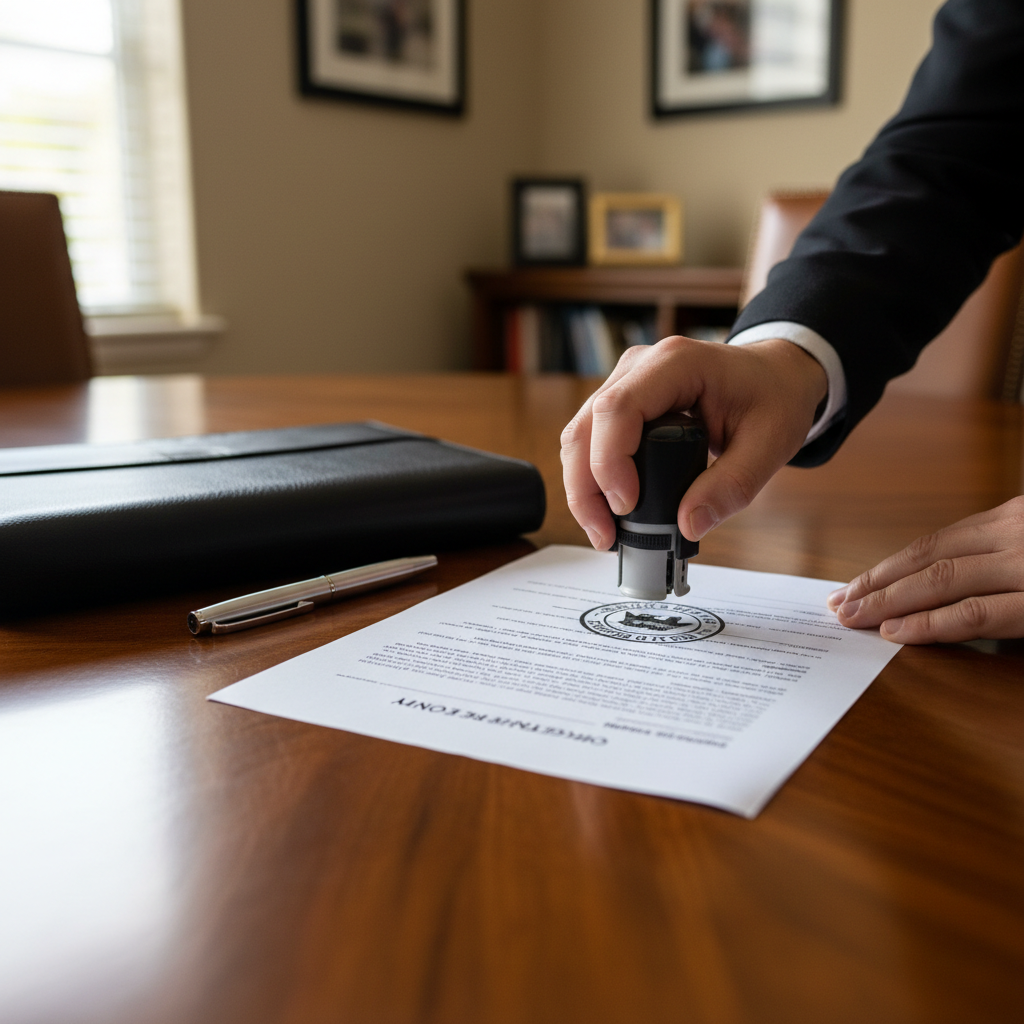
Understanding the Notary's Role
Notaries act as impartial witnesses in the signing of important documents. They ensure that all parties involved are who they claim to be and that they understand the contents of the documents they are signing. This process helps prevent fraud and protects the integrity of the transaction.
Myth 2: Notarization Validates the Content of a Document
Another common misconception is that notarization validates the content of a document. Notaries do not verify the accuracy or legality of the document's content. Instead, their duty is to confirm the identity of the signatories and certify that the documents are signed voluntarily.
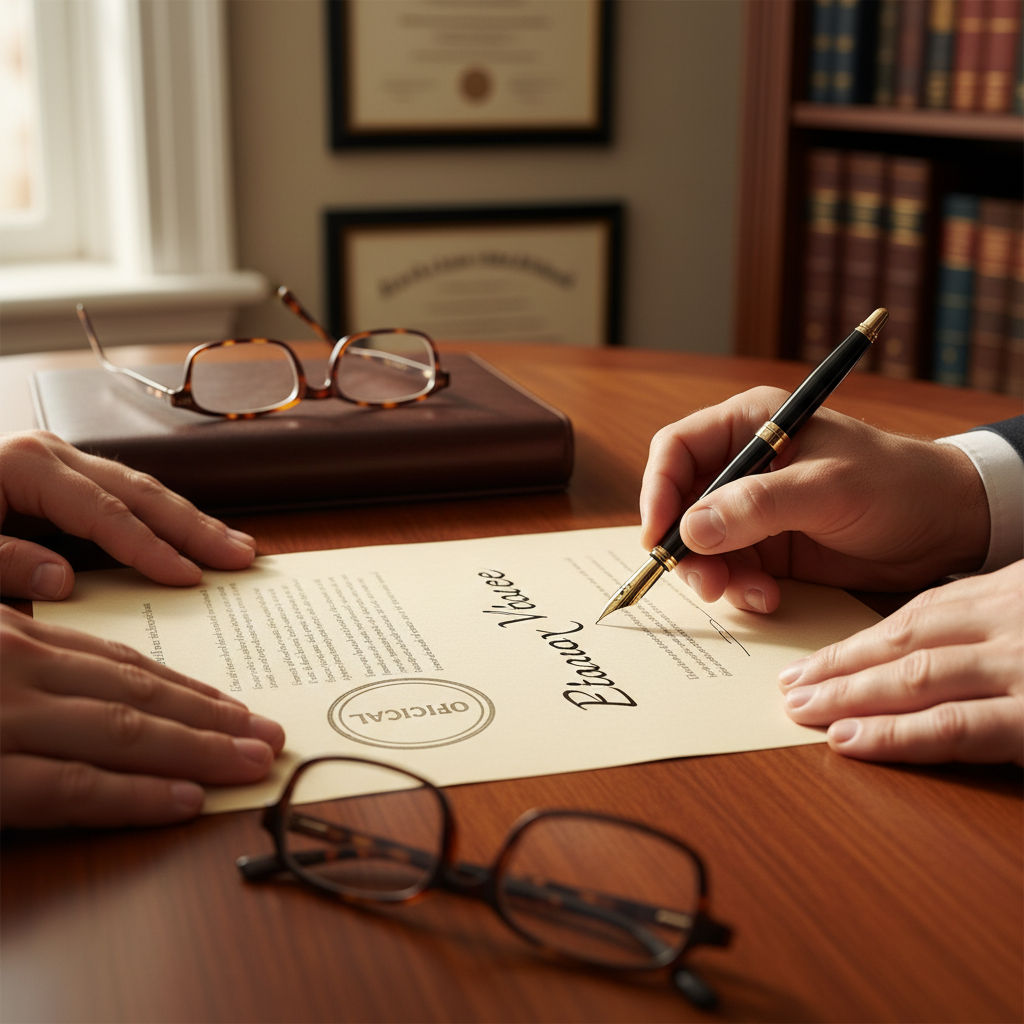
Focus on Identity Verification
The notary's focus is on verifying the identity of the signatories. This is typically done by examining government-issued identification, such as a driver's license or passport. Once the identity is confirmed, the notary witnesses the signing of the document and affixes their seal or stamp, signifying that the process has been completed correctly.
Myth 3: Notaries Are Only Needed for Legal Documents
Many people believe that notarization is only necessary for legal documents. While notarization is often required for legal documents, such as wills and contracts, it can also be used for other purposes. Notarization is valuable in any situation where the authenticity of a document needs to be verified, including financial agreements and personal affidavits.
Wide Range of Applications
Notarization is widely used in various sectors, including real estate, finance, and personal matters. For instance, real estate transactions often require notarized documents to ensure the legitimacy of the agreement. By understanding the broad applicability of notarization, individuals can better appreciate its importance in safeguarding their interests.
Myth 4: Notarization Is a Lengthy Process
Some people assume that notarization is a time-consuming process. In reality, notarization is typically quick and straightforward, provided that all necessary documents and identification are prepared in advance. Most notarizations can be completed in a matter of minutes, making it a convenient option for document verification.
Preparation Is Key
To ensure a smooth notarization process, it's important to come prepared with all required documents and valid identification. Being organized and ready can significantly reduce the time spent on notarization, allowing individuals to complete their tasks efficiently.
By understanding these common myths and learning what really happens during notarization, individuals can approach the process with confidence and clarity. Notarization remains a vital tool in ensuring the authenticity and integrity of important documents, serving as a safeguard against fraud and misunderstanding.