Avoiding Common Notary Mistakes: Expert Tips for Smooth Transactions


Understanding the Role of a Notary
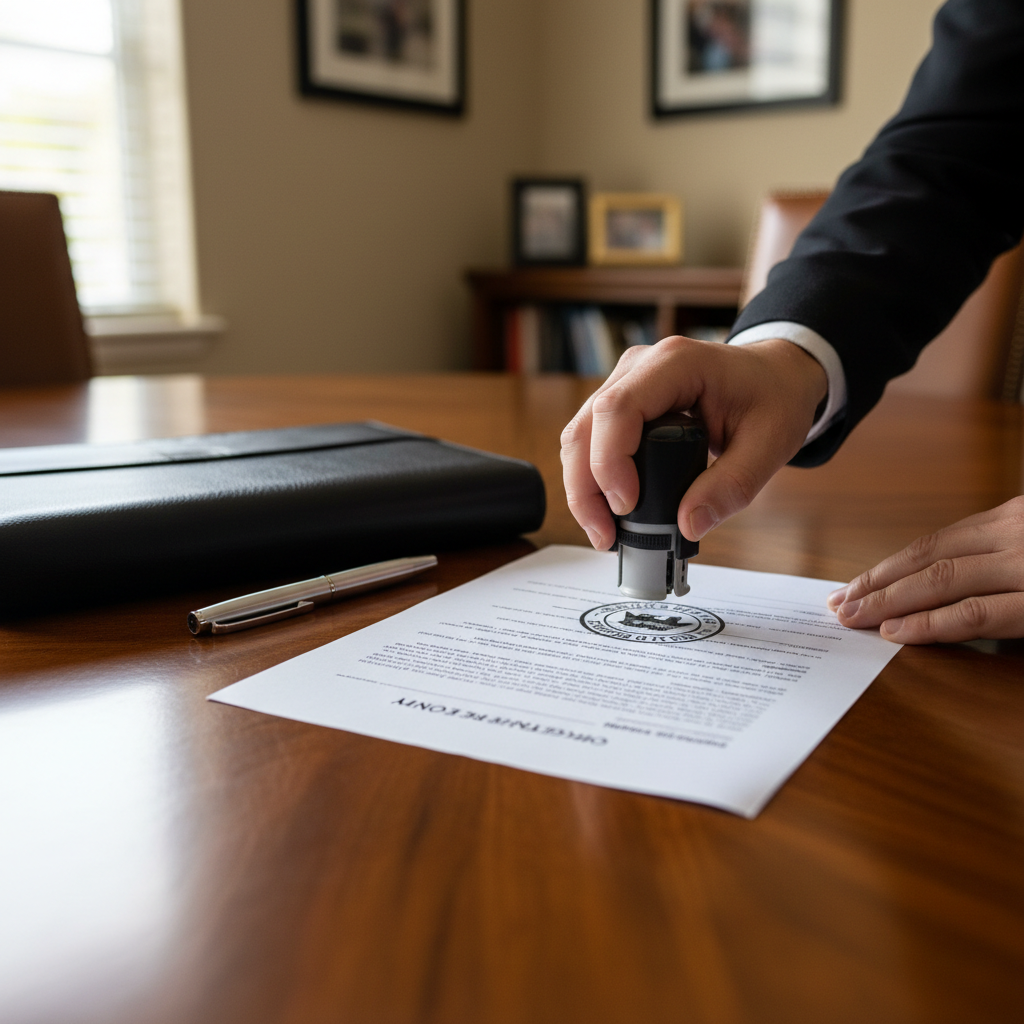
A notary public plays a crucial role in ensuring the authenticity of various legal documents. They serve as impartial witnesses who verify the identity of signers and ensure that all parties understand the contents of the document. However, even seasoned notaries can make mistakes that may lead to complications. Avoiding these errors is essential for smooth transactions.
Common Mistakes and How to Avoid Them
One of the most frequent mistakes involves not checking the identification properly. A notary must always verify the identity of each signer using government-issued identification. Failing to do so can lead to fraudulent activities and invalidate the notarization.
Another common error is overlooking incomplete documents. Notaries should never notarize a document with blank spaces, as these can be filled in later with incorrect information. Always ensure that the documents are complete before proceeding with notarization.
Maintaining a Proper Notary Journal
Keeping an accurate notary journal is not only a good practice but often a legal requirement. This journal serves as a protective record of all notarizations performed. Be sure to log every transaction, including the date, type of document, and the signer's details.
Neglecting to maintain a journal can result in challenges if the notarization is ever questioned. A well-maintained journal can provide critical evidence in such cases.
Understanding State Laws and Regulations
Each state has its own set of laws and regulations governing notaries. It's crucial to stay updated on any changes to ensure compliance. Regularly reviewing state notary handbooks and attending workshops can help notaries stay informed.
Failure to adhere to state-specific laws can result in penalties and even the revocation of a notary commission. Therefore, continuous education is vital for maintaining professional standards.
Effective Communication with Signers
Clear communication with signers is essential to avoid misunderstandings. Notaries should explain their role and the significance of the document being notarized. This ensures that all parties are aware of their responsibilities and the legal implications involved.

Furthermore, notaries should ensure that signers are willing participants and not under duress. If there are any signs of coercion or uncertainty, the notary should refuse to proceed with the notarization.
Conclusion
By understanding and avoiding common notary mistakes, notaries can ensure smooth and efficient transactions. From verifying identities and maintaining detailed records to staying informed about state regulations, each step is crucial in upholding the integrity of the notarization process. Adhering to these expert tips will not only protect the notary but also provide peace of mind to all parties involved.