Avoiding Common Notary Mistakes: Expert Tips and Advice


Understanding the Role of a Notary
A notary public plays a crucial role in the legal and business world, serving as an impartial witness to the signing of important documents. Their primary duty is to prevent fraud and ensure that the individuals signing are who they claim to be. However, even experienced notaries can make mistakes that might invalidate a document. Understanding your responsibilities is key to avoiding these errors.
As a notary, you must always verify the identity of the signers and ensure they are signing willingly and knowingly. This might seem straightforward, but complexities can arise, making vigilance essential.

Proper Identification Procedures
One of the most common mistakes notaries make is failing to properly verify the identity of the signers. Always ask for a government-issued ID, such as a driver's license or passport, and ensure that it is current and valid. This step is vital to the notary process and cannot be overlooked.
In addition to checking IDs, notaries should be aware of the specific identification requirements in their jurisdiction. Each state or region may have different rules, and staying informed about these regulations is critical to avoiding mistakes.
Maintaining a Detailed Notary Journal
Keeping a detailed and accurate notary journal is not just a good practice; it is often a legal requirement. A well-maintained journal can be your best defense if any questions arise about a notarization you performed. Record the date, time, and type of document, as well as the signers' names and identification details.
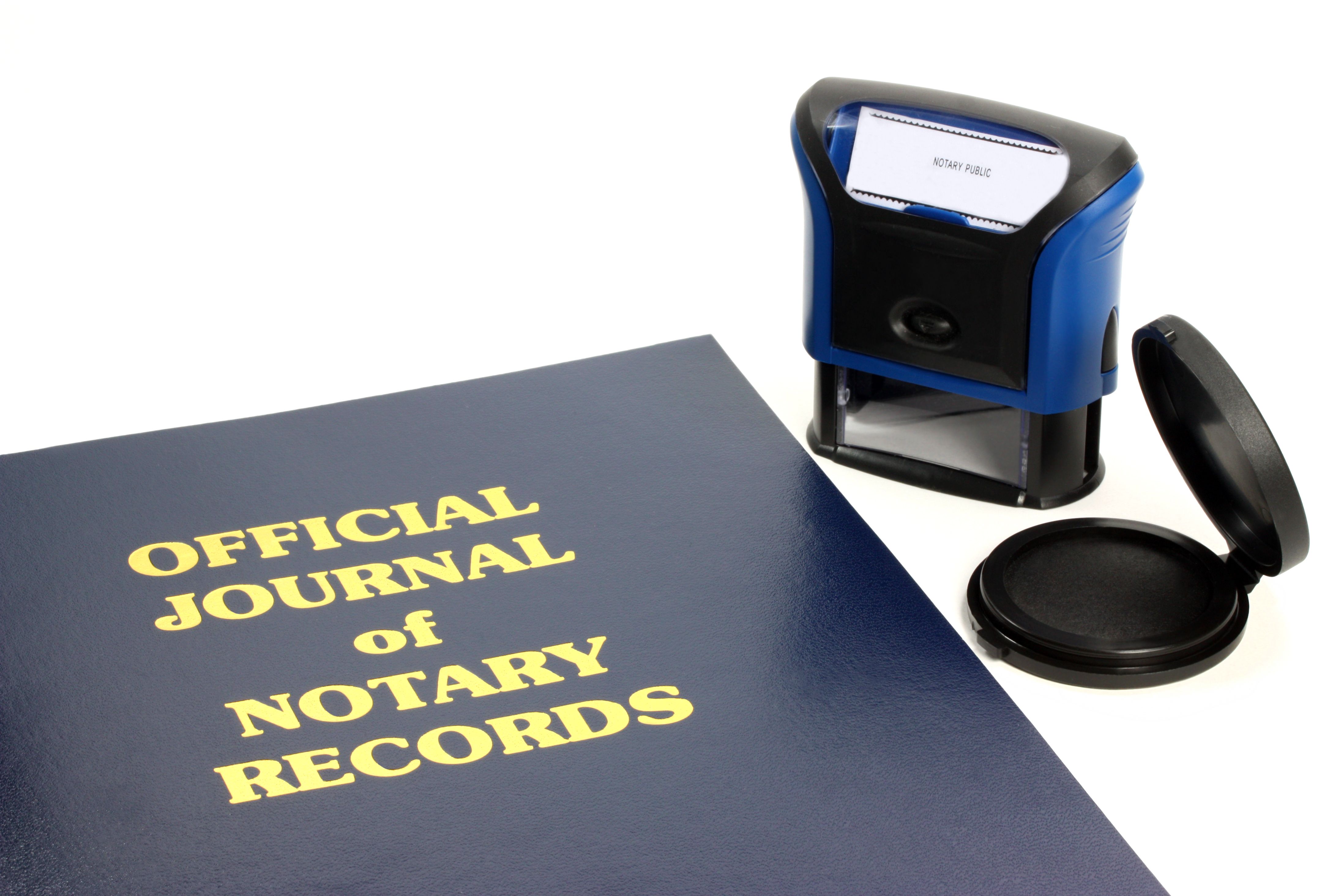
It's also beneficial to include any additional notes that might be relevant, such as if a signer appeared nervous or unsure. These notes can provide context if the notarization is ever questioned.
Avoiding Unauthorized Practice of Law
Notaries must be careful not to cross the line into offering legal advice, which can be considered the unauthorized practice of law. Stick to the facts of the notarization process and avoid interpreting documents or advising signers on legal matters.
If a signer has questions about the content of a document, refer them to seek legal counsel. This protects both you and the signer and helps maintain the integrity of the notary profession.

Ensuring Document Completeness
Before performing a notarization, double-check that the document is complete. Notarizing an incomplete document is a common mistake that can lead to serious repercussions. Ensure all sections are filled out and that there are no blank spaces that could be exploited.
If a document is incomplete, have the signer fill in the necessary sections or refuse to notarize until the document is complete. This step helps prevent fraud and ensures the document's validity.
Staying Informed and Educated
The rules and regulations governing notaries can change, and staying informed is essential. Regularly attending training sessions and reviewing updates from your state's notary commission can help you keep your knowledge current.
Consider joining professional notary associations, which often provide resources and updates on best practices and legal changes. Continuous education is a powerful tool in avoiding common notarial mistakes.